Top 5 water removal regulations every homeowner in North Carolina should know
Learn about essential water removal regulations in North Carolina that every homeowner should understand to protect their property and ensure compliance.
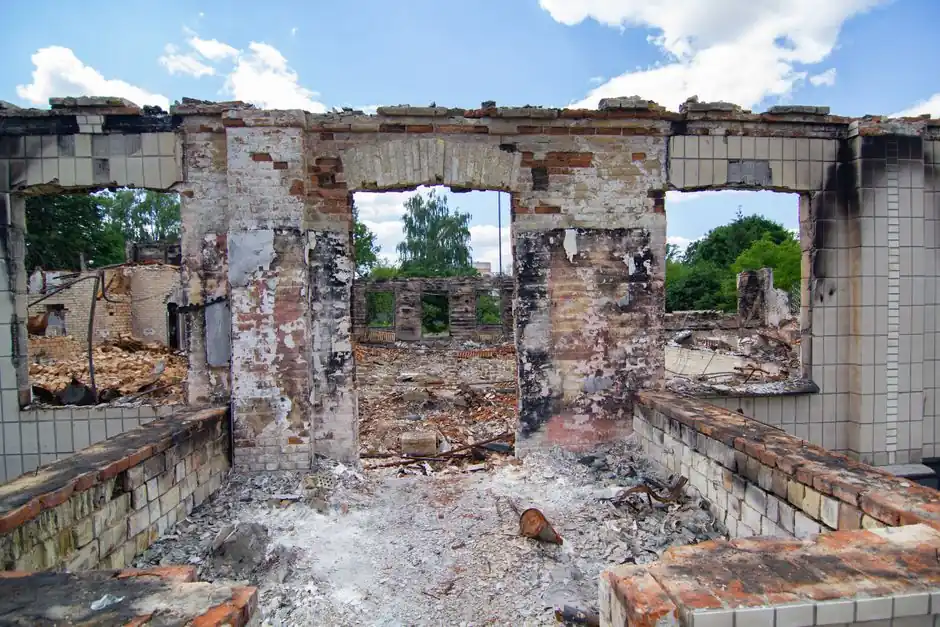
Homeowners in North Carolina must be aware of various regulations governing water removal to protect their properties and ensure compliance. Understanding these regulations can prevent costly fines and ensure safe practices in water damage situations. This post will outline the top five water removal regulations that every homeowner should know about.
Water removal is a crucial process that involves the extraction of excess water from a property due to flooding, leaks, or other water-related issues. Knowing the regulations surrounding this process is essential for homeowners.
1. Understanding Local Building Codes
Local building codes in North Carolina dictate how water removal and restoration must be conducted. These codes vary by municipality but generally require that any water damage restoration work complies with safety and structural integrity standards. Homeowners should consult their local building department to understand specific requirements.
For example, if you live in Charlotte, the building codes may specify that all water removal work must be performed by licensed professionals to ensure safety and compliance. Failing to adhere to these codes can result in fines or issues when selling your home.
2. Floodplain Management Regulations
Floodplain management regulations are crucial for homeowners in flood-prone areas. In North Carolina, these regulations aim to minimize the risk of flooding and ensure that properties are built and maintained in a way that mitigates flood damage. Homeowners must be aware of these regulations, especially if they live near rivers or coastal areas.
For instance, properties located in designated flood zones may need to have specific flood-resistant measures in place. This includes proper drainage systems and elevated structures. Failure to comply can lead to increased insurance premiums and difficulties in selling the property.
3. Safety Standards for Water Removal
When conducting water removal, safety standards must be followed to protect both the workers and the property. These standards include proper ventilation, the use of personal protective equipment (PPE), and the safe handling of electrical systems that may have been affected by water. Homeowners should ensure that any contractors they hire for emergency water extraction in North Carolina adhere to these safety standards.
For example, if you experience flooding due to a storm, ensure that the company you hire follows OSHA guidelines and utilizes safe practices during the water removal process.
4. Environmental Regulations
Environmental regulations play a significant role in water removal, especially regarding the disposal of contaminated water. Homeowners must ensure that any water removed from their property, particularly if it is contaminated, is disposed of in accordance with local environmental laws. This may involve special handling and disposal procedures to prevent pollution.
In North Carolina, regulations may require the testing of water before disposal to ensure it meets safety standards. Homeowners should inquire about the environmental practices of any sewage back-up blackwater extraction services they consider hiring.
5. Insurance Requirements
Understanding insurance requirements is crucial for homeowners dealing with water removal. Many insurance policies have specific clauses regarding water damage and the necessary steps to take when filing a claim. Homeowners should review their policies to ensure they comply with all requirements to avoid claim denials.
For example, some policies may require homeowners to document the damage and the steps taken for water removal. Failing to follow these procedures can lead to complications when seeking compensation for damages.
Common Mistakes to Avoid
Homeowners often make several common mistakes when dealing with water removal regulations:
- Not consulting local building codes before starting water removal.
- Ignoring floodplain management regulations, especially in flood-prone areas.
- Hiring unlicensed contractors who do not adhere to safety standards.
- Failing to understand insurance requirements, leading to denied claims.
- Not ensuring proper disposal of contaminated water, violating environmental regulations.
When to Call a Professional
Homeowners should call a professional when facing significant water damage or when unsure about the regulations governing water removal. Professionals, such as NC Water Removers, can navigate the complexities of local regulations and ensure that the water removal process is compliant and safe.
Frequently Asked Questions
What are the typical costs for water removal in North Carolina?
Costs for water removal in North Carolina can range from $1,500 to $3,000, depending on the extent of the damage and the services required.
How long does the water removal process take?
The water removal process can take anywhere from a few hours to several days, depending on the severity of the water damage and the size of the affected area.
Do I need a permit for water removal?
In most cases, homeowners do not need a permit for water removal, but it's essential to check local building codes to ensure compliance.
Are there any specific regulations for sewage back-up water removal?
Yes, sewage back-up water removal is subject to strict regulations due to health risks. Homeowners should hire licensed professionals for this type of water removal.
What should I do if my insurance claim is denied?
If your insurance claim is denied, review your policy and contact your insurance provider for clarification on the denial. You may also consider appealing the decision.
Get Help with Water Removal in North Carolina
If you need assistance with water removal in North Carolina, contact NC Water Removers. Our team is equipped to handle all aspects of water damage restoration safely and effectively.
Call us today at (855) 201 7534 for immediate assistance.